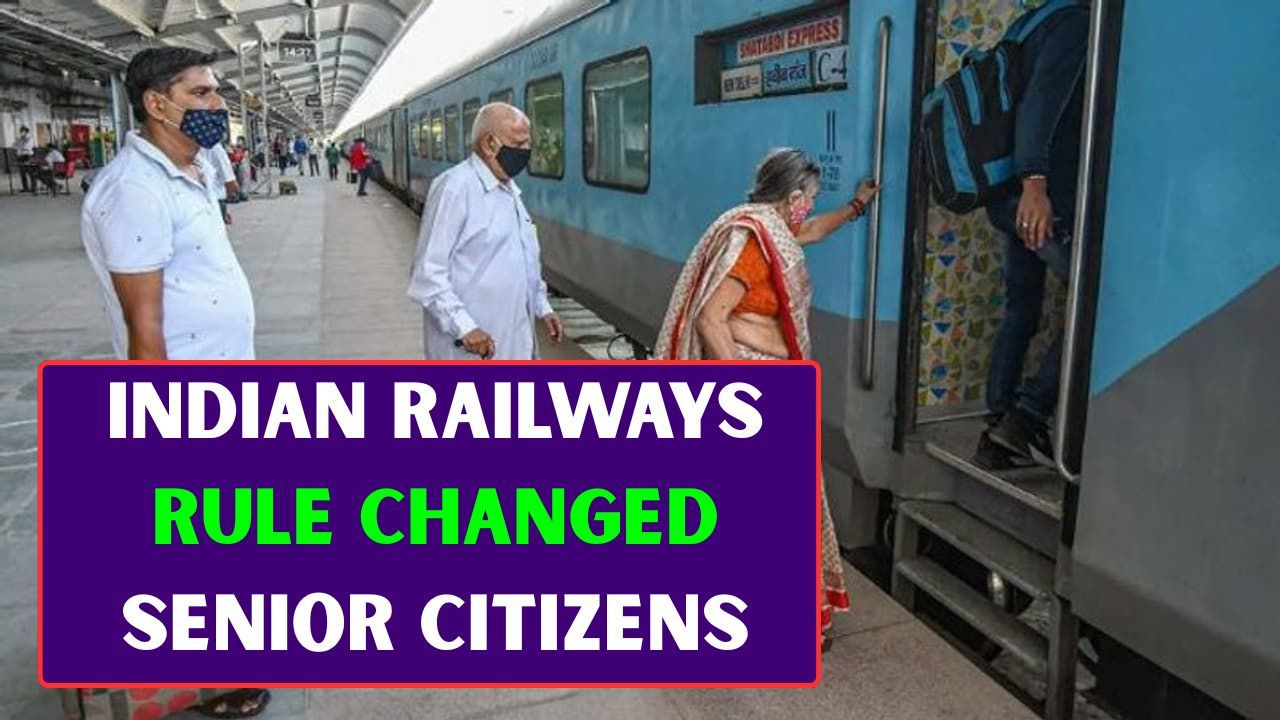
Indian Railways has announced a key rule change aimed at improving travel comfort for senior citizens. The update focuses on making lower berths easier to obtain, addressing long-standing concerns about safety and physical strain faced by elderly passengers during train journeys.
What the New Rule Means
With the revised reservation system, priority is now given to allocating lower berths to eligible senior citizens whenever availability allows. During ticket booking, the system automatically checks for lower berths before assigning middle or upper berths, improving the chances of safer seating for older travellers across major classes.

Who Is Eligible for Lower Berth Priority
The rule applies to male passengers aged 60 years and above and female passengers aged 58 years and above. Accurate age details must be entered at the time of booking for the priority to activate. Existing provisions for pregnant women and passengers with disabilities remain unchanged.

How the Booking Process Works
Senior citizens do not need to submit any special request or application. Once age details are correctly filled in, the booking system attempts to assign a lower berth based on real-time availability. If no lower berth is available, the standard berth allocation process applies.

Why Indian Railways Introduced This Change
Climbing to higher berths can be difficult and risky for elderly passengers, especially during overnight journeys. Indian Railways has received repeated feedback highlighting these challenges, leading to this policy update focused on safety, comfort, and dignity for senior travellers.

Impact on Senior Citizens and Families
The rule change reduces the need for seat exchanges and last-minute requests to fellow passengers. Senior citizens can travel with greater independence, while families accompanying elderly members can enjoy a smoother and less stressful journey.
What to Expect Going Forward
This update is part of Indian Railways’ broader push toward passenger-centric reforms. As the ageing population grows, similar changes are expected to further improve accessibility, comfort, and safety for senior citizens across the rail network.